Hydrangeas are among the most rewarding flowering shrubs for California gardens, offering lush foliage and dramatic blooms from spring through late summer. While they have a reputation for being fussy, hydrangeas can thrive in many parts of California with the right placement, watering routine and seasonal care.
Types of Hydrangeas
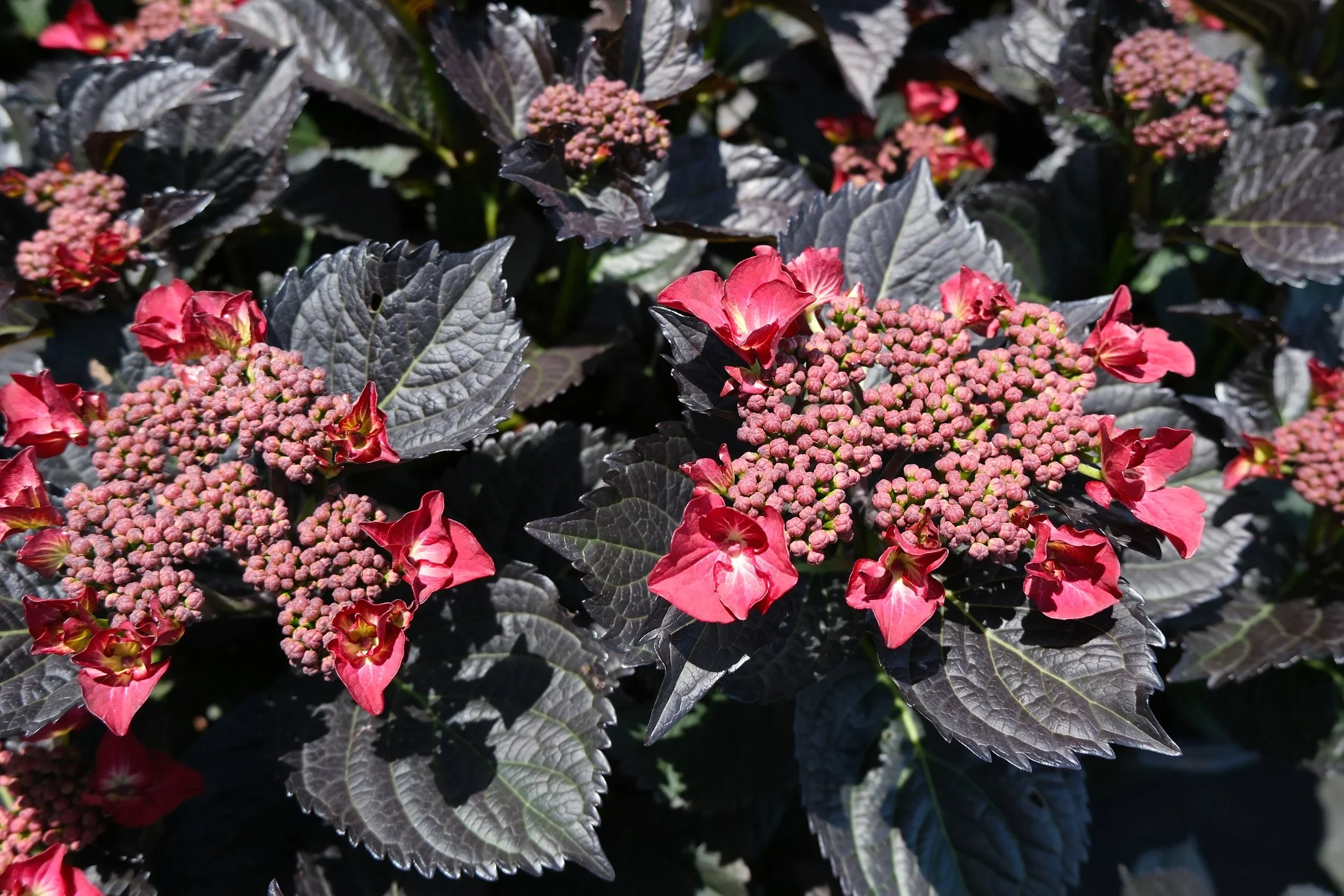
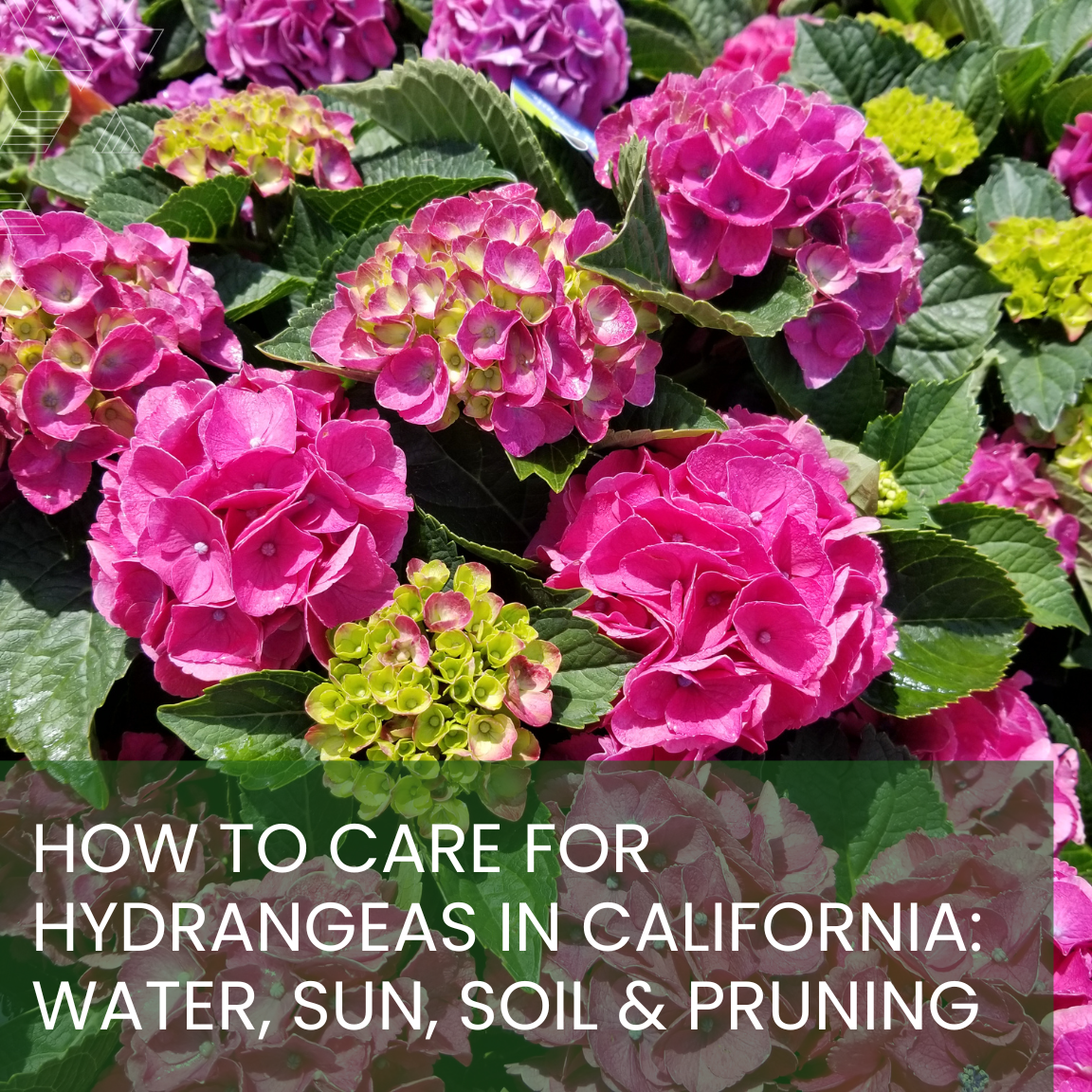
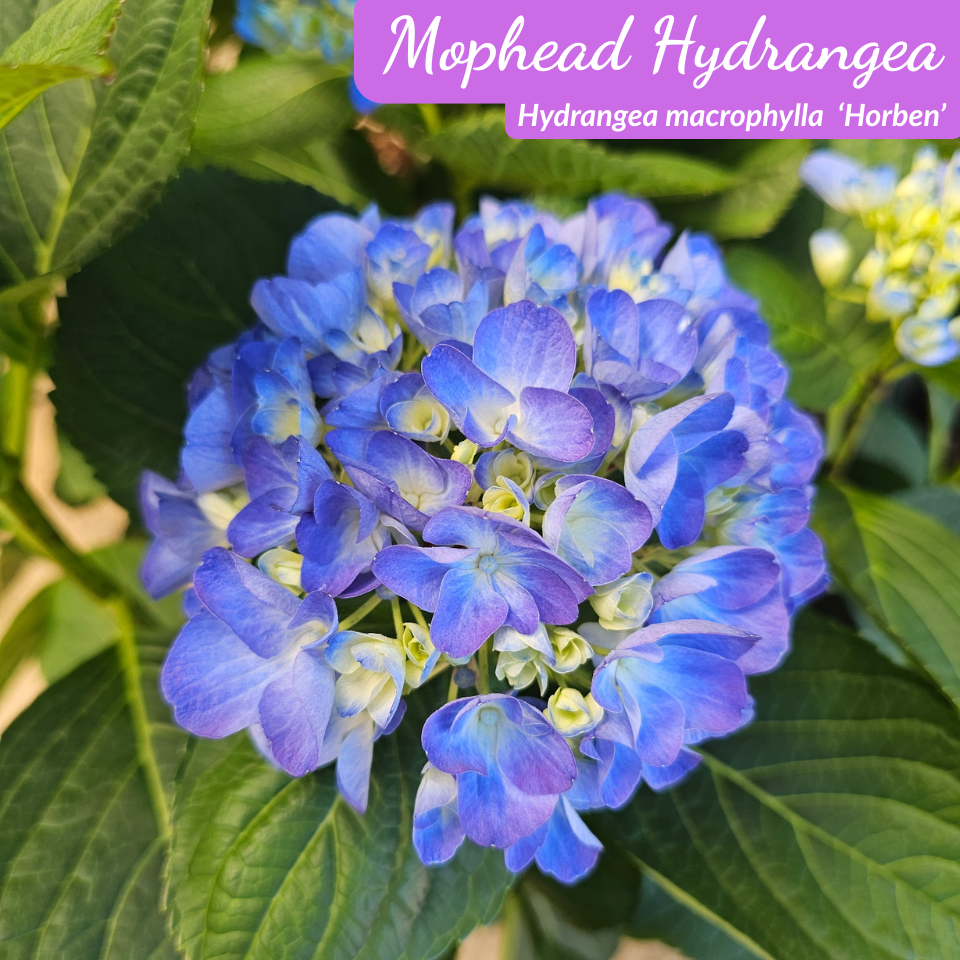
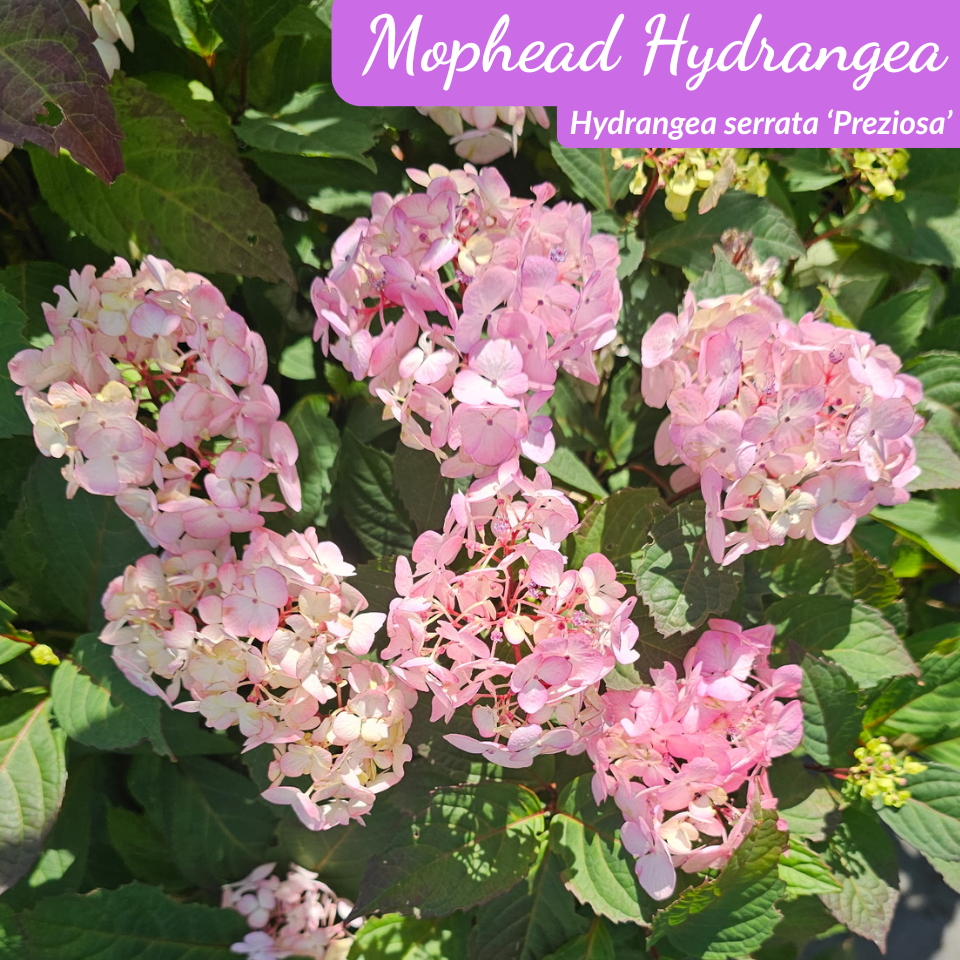
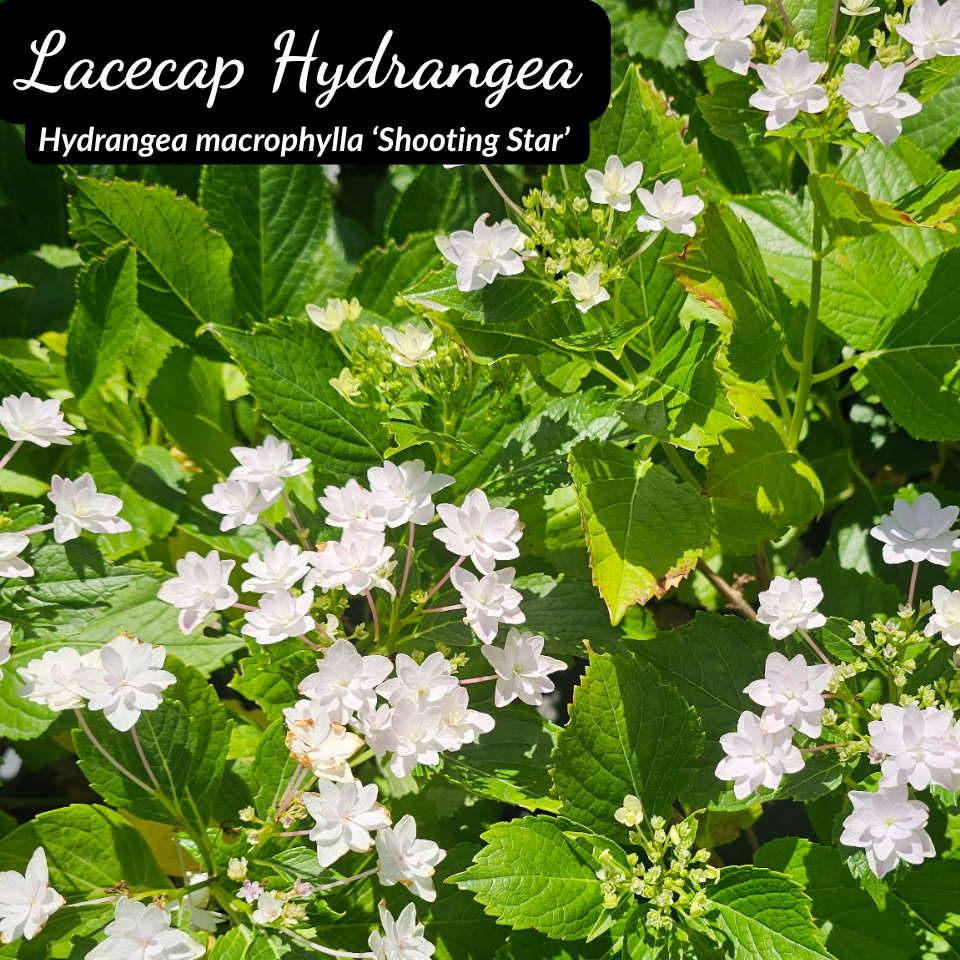
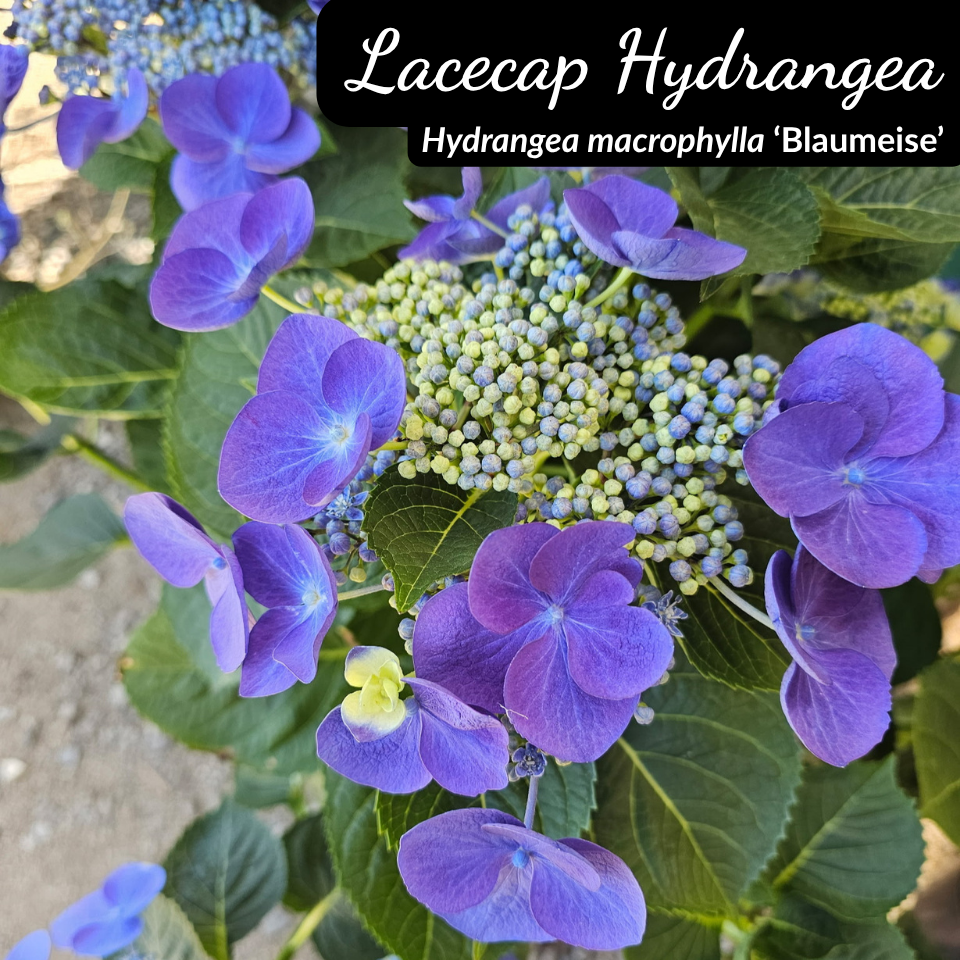
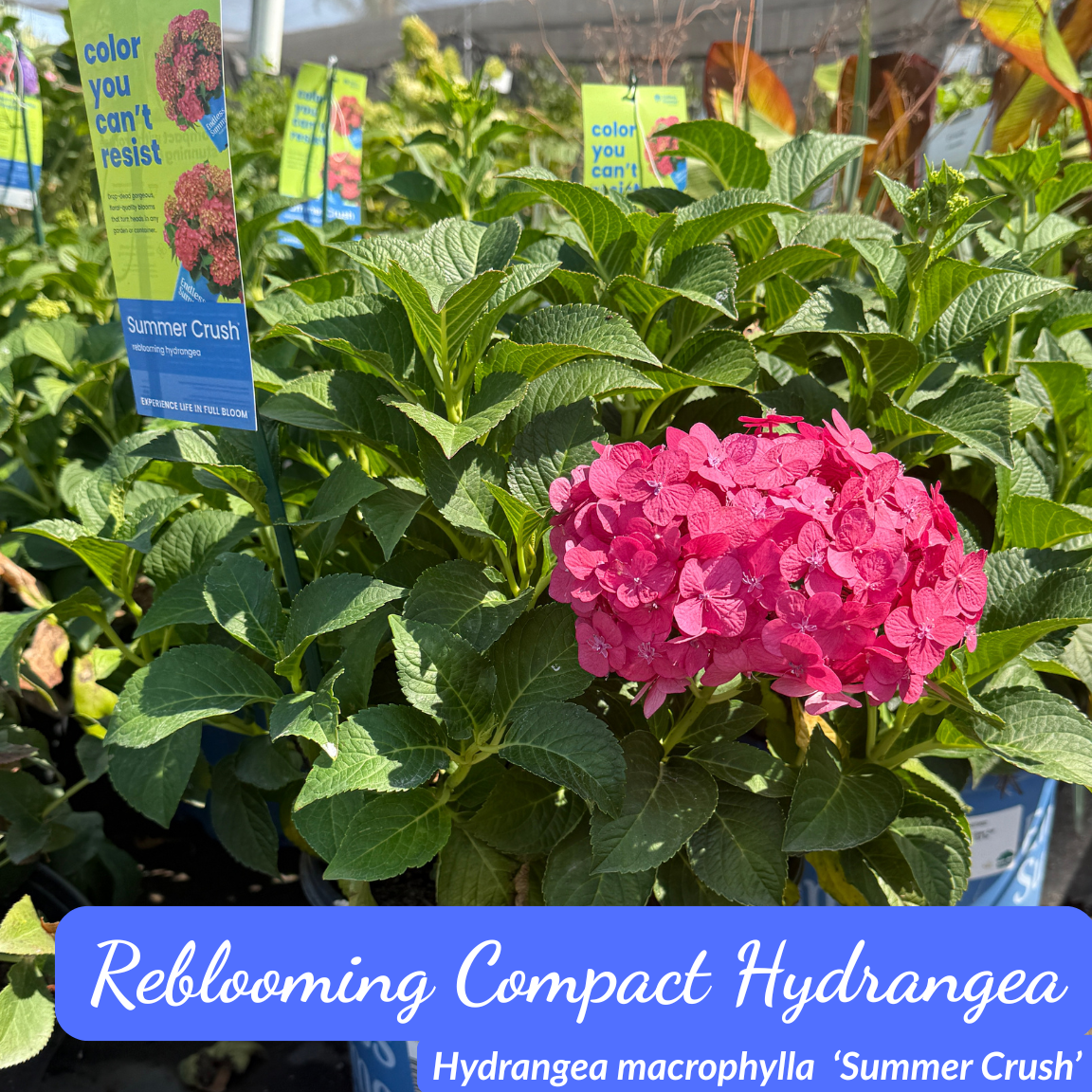
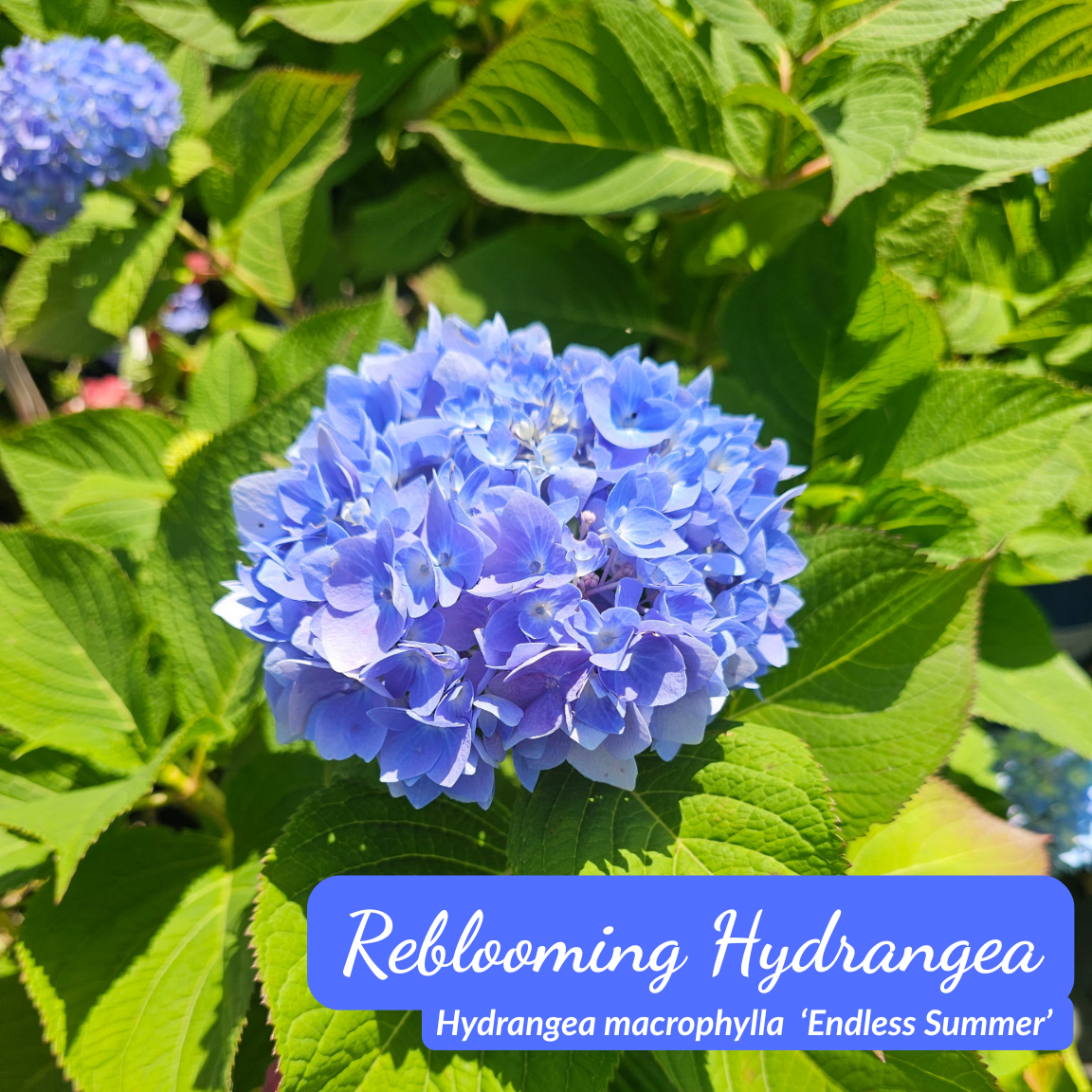
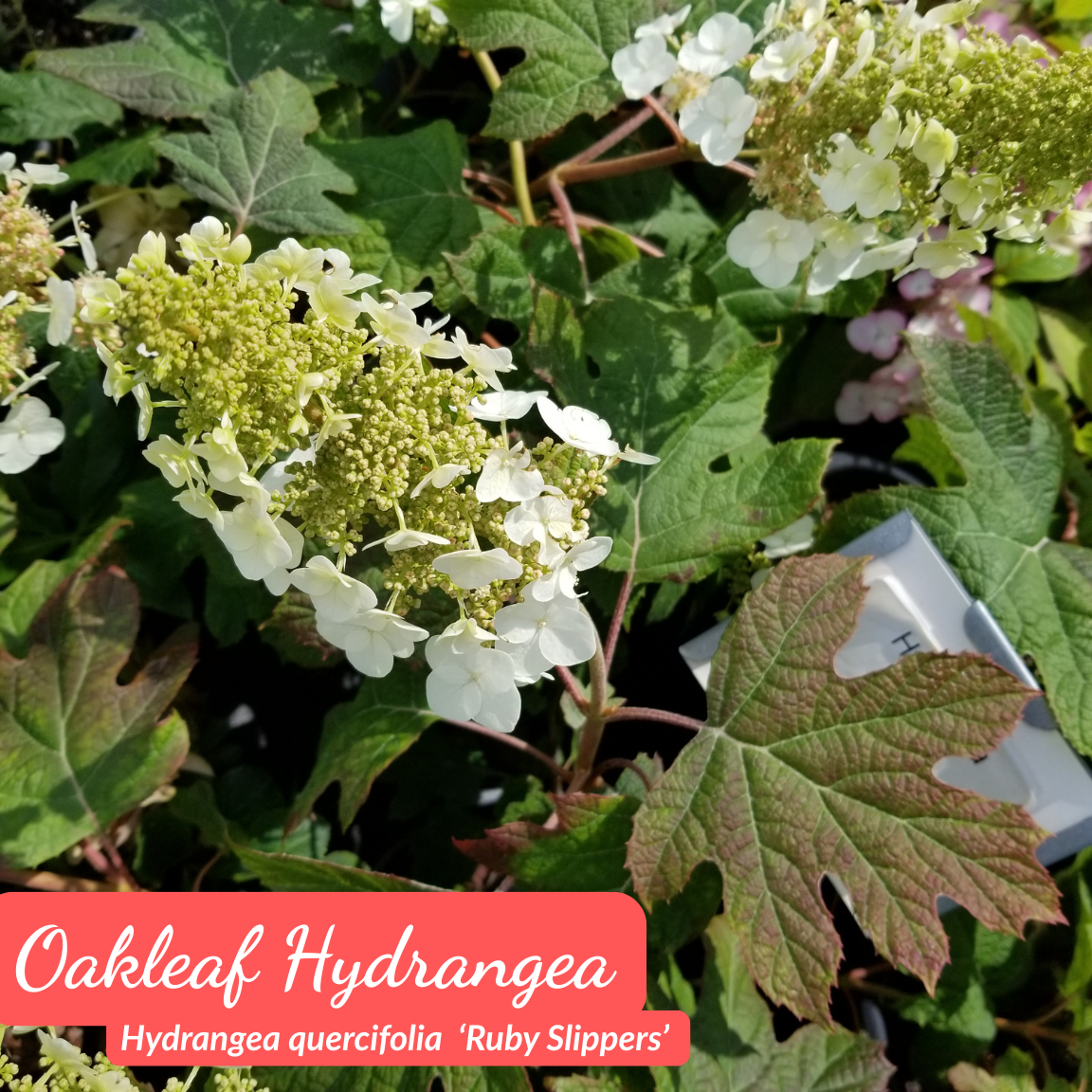
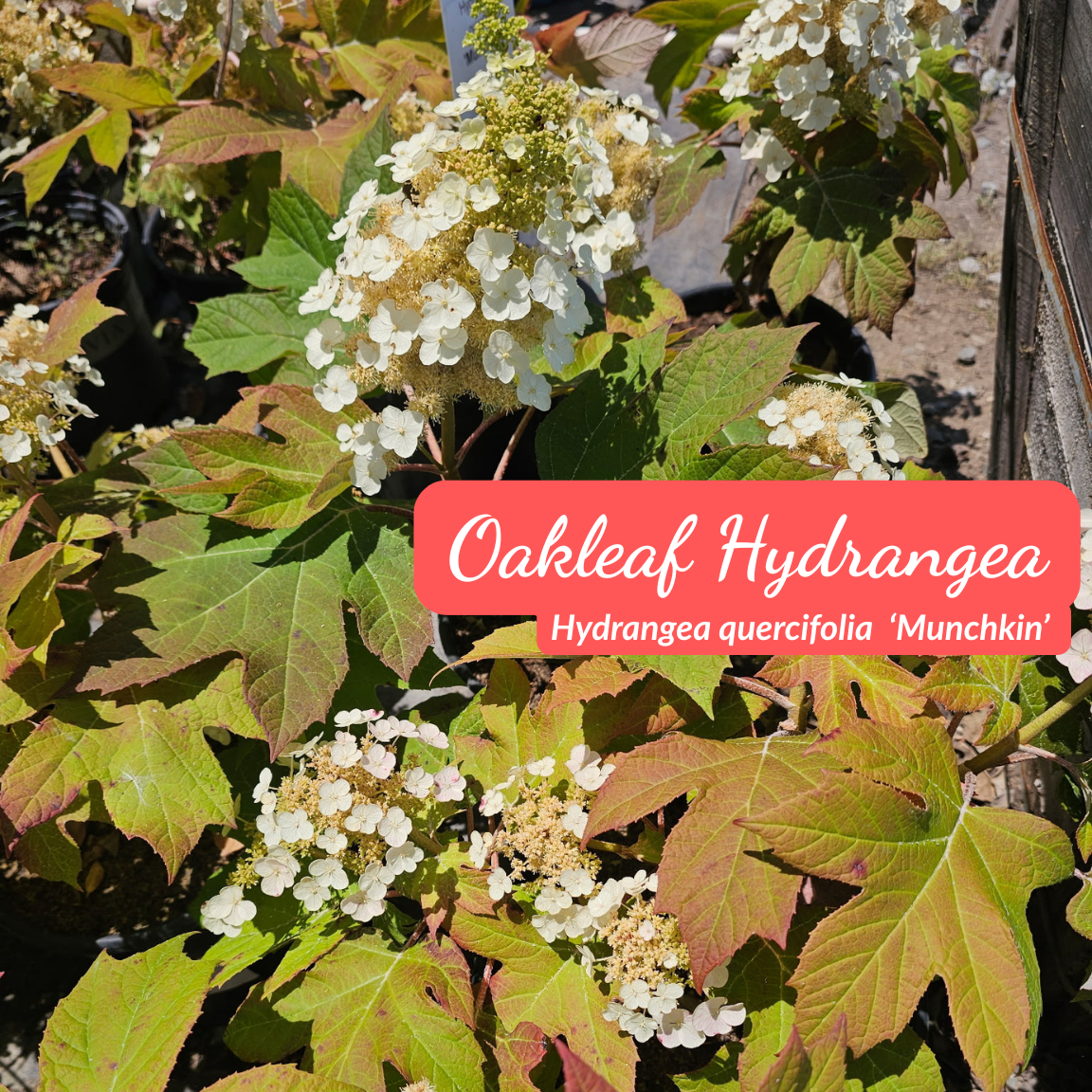
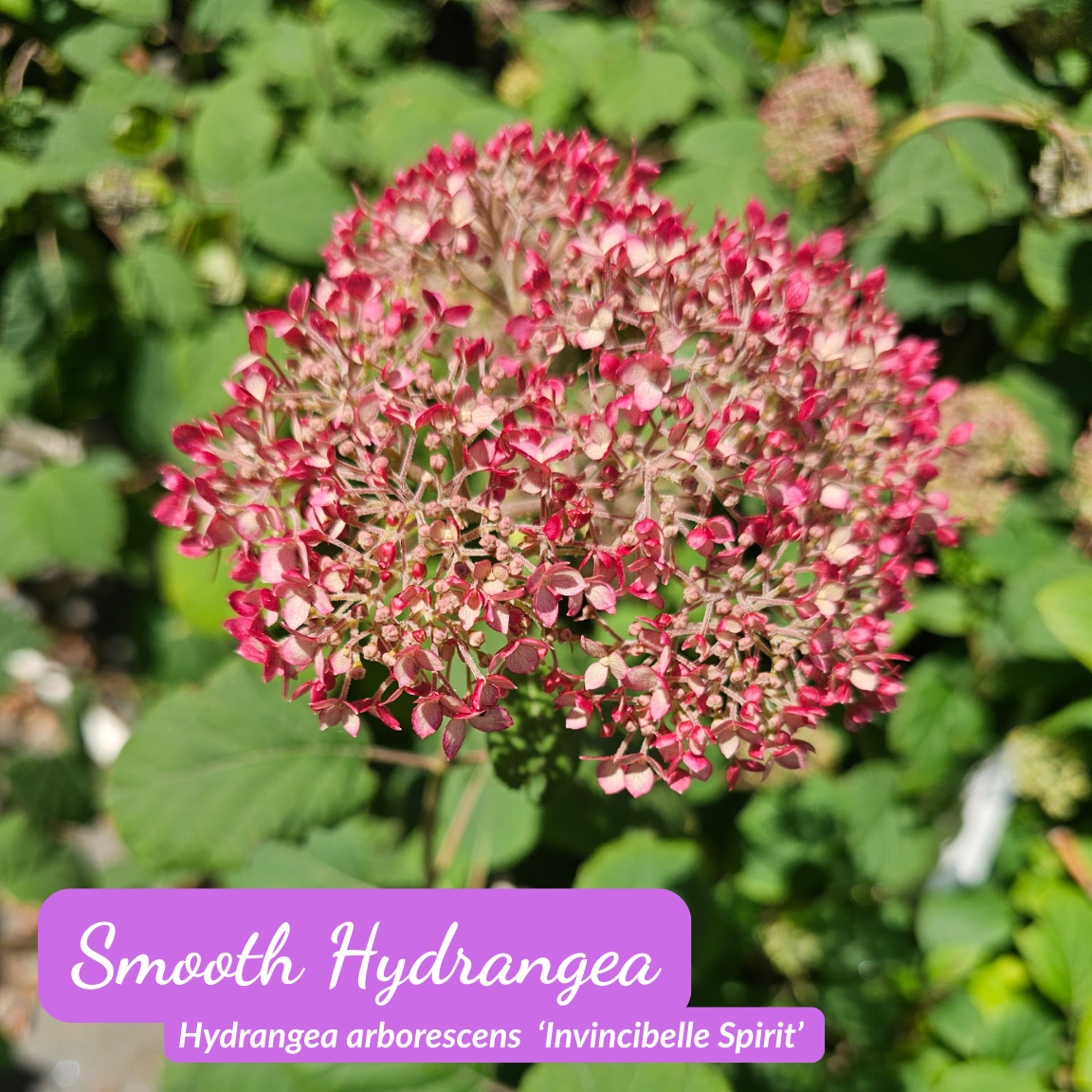
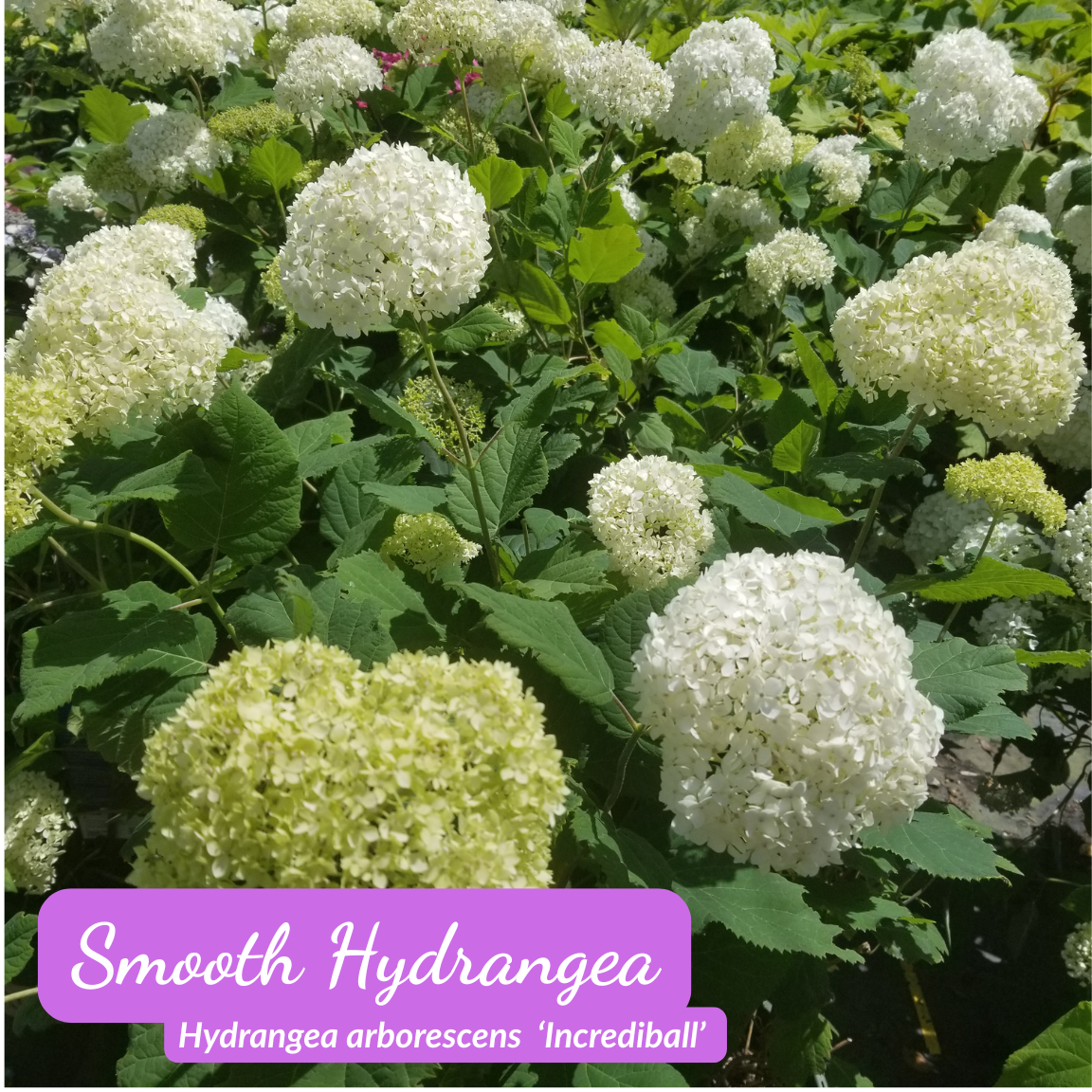
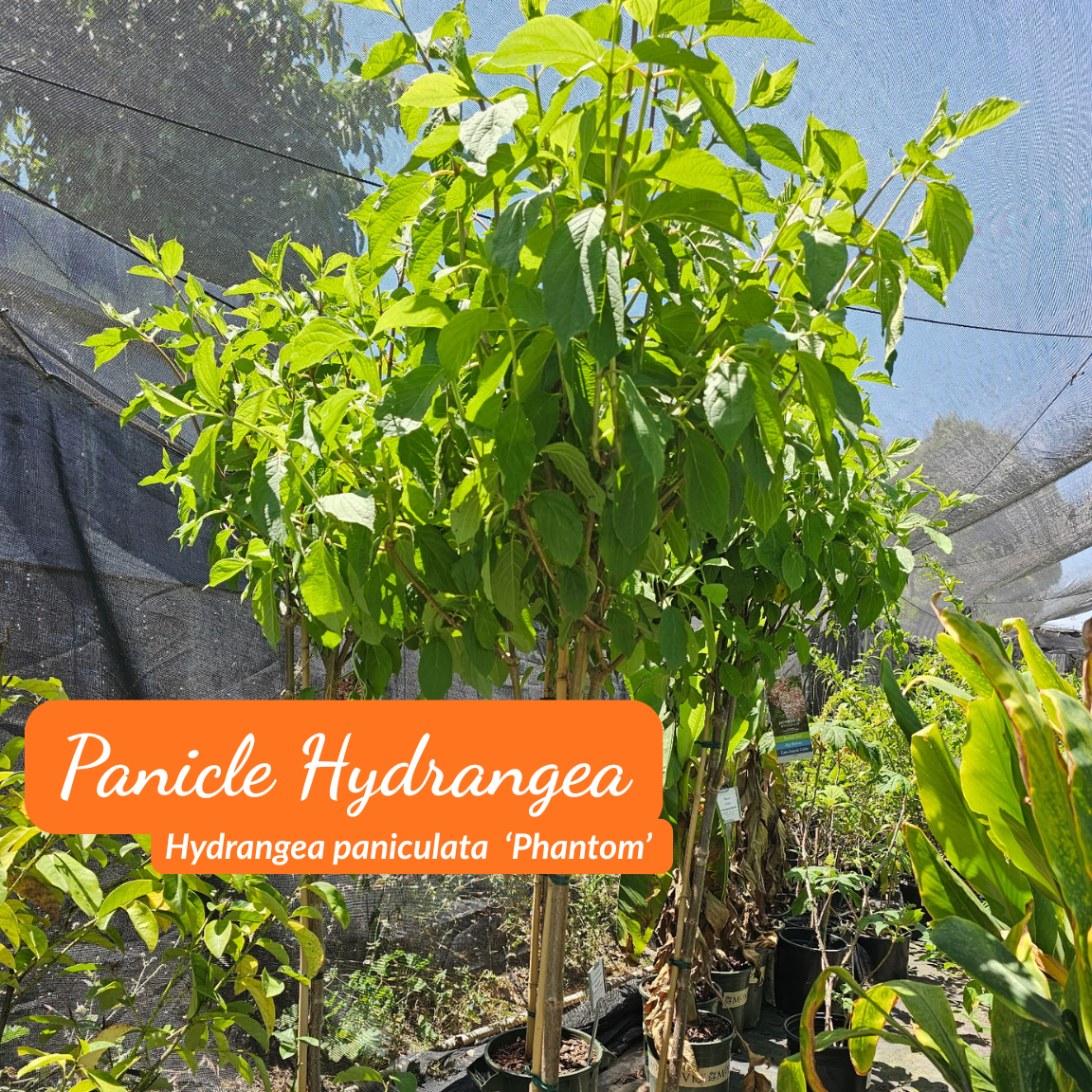
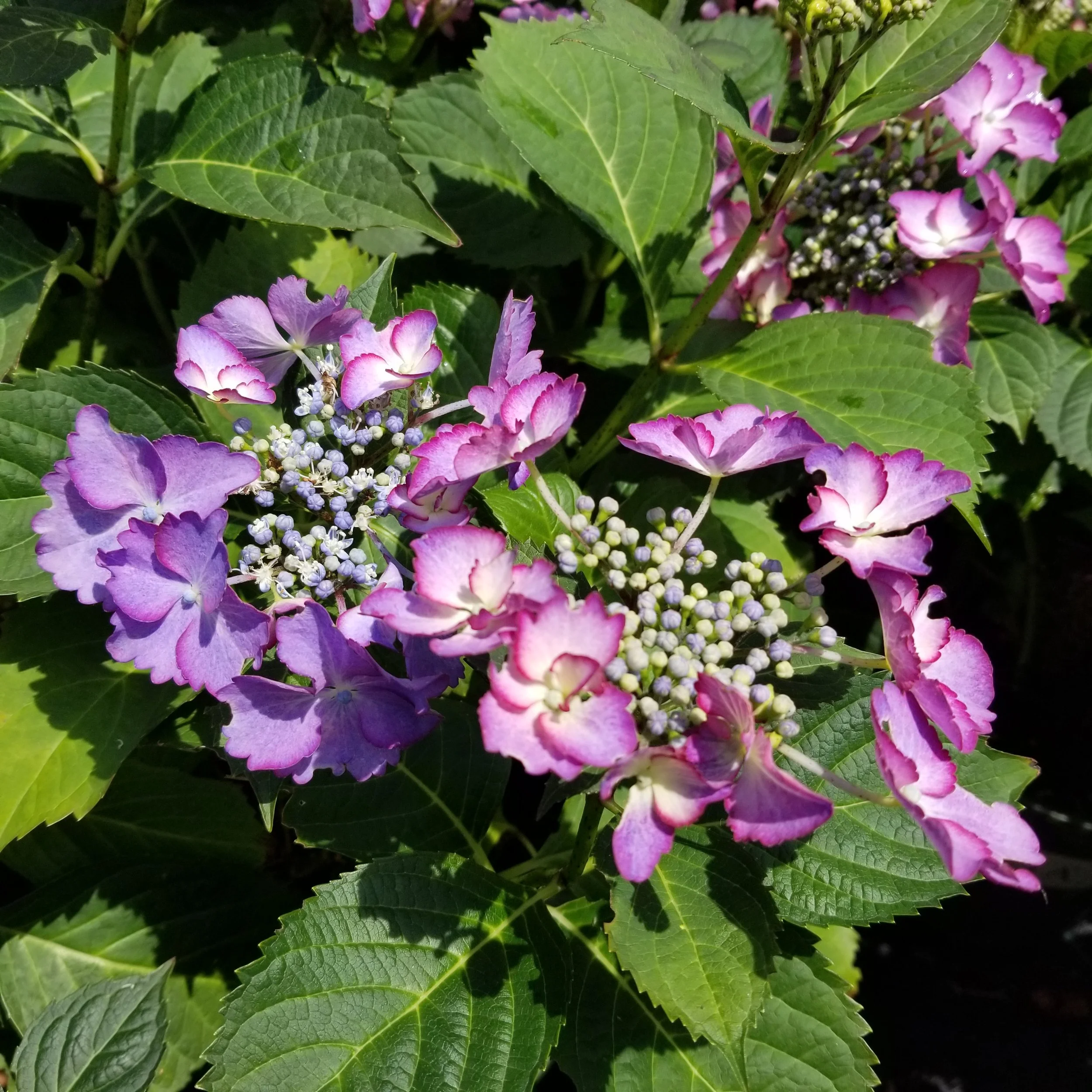
Hydrangeas come in several distinct varieties, each with its own growth habit, bloom shape and care needs. Mophead hydrangeas (Hydrangea macrophylla or Hydrangea serrata) are the classic variety known for their large, rounded flower clusters that can turn blue or pink depending on soil pH. Lacecap hydrangeas (Hydrangea macrophylla) have a flatter, more delicate bloom structure that attracts pollinators and performs beautifully in cottage-style gardens. Smooth hydrangeas (Hydrangea arborescens) are a widely-branched shrub prized for their round flower clusters. Oakleaf hydrangeas (Hydrangea quercifolia) feature dramatic cone-shaped flowers and deeply lobed foliage that turns rich shades of red and bronze in fall, while panicle hydrangeas (Hydrangea paniculata) are a whole different-looking plant, more upright and woody, that also come in tree form. Reblooming varieties, such as the Endless Summer series, offer an extended flowering season and are especially popular for their ability to bloom on both old and new wood.
Choosing the Right Location
In most California climates, hydrangeas perform best with morning sun and afternoon shade. Inland heat can quickly scorch leaves and flowers, especially during summer heat waves, while too much shade may reduce blooming.
Along the coast, including areas like Santa Cruz and Monterey Bay, hydrangeas can often tolerate more sun due to cooler temperatures and marine influence. In hotter inland regions, filtered light or dappled shade is ideal.
Hydrangeas also appreciate protection from strong afternoon winds, which can dry plants out quickly.
Watering Hydrangeas in California
Consistent moisture is the key to healthy hydrangeas. California’s long dry season means rainfall alone is rarely enough during spring and summer.
A few guidelines:
Water deeply rather than lightly and frequently.
Mulch around the base to help regulate soil temperature and retain moisture.
Avoid letting plants fully dry out during bloom season.
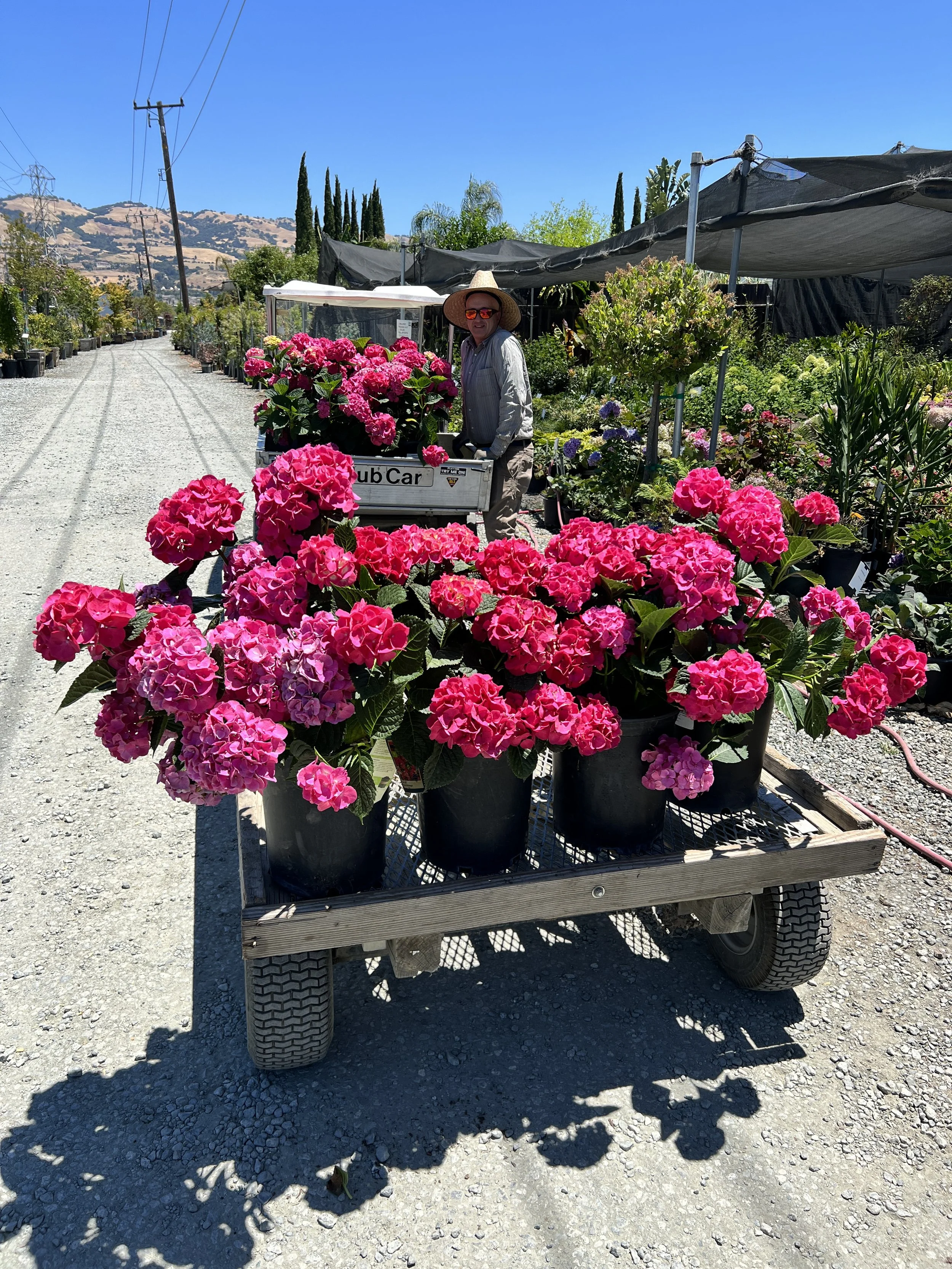
Container-grown hydrangeas may require watering nearly every day during hot weather.
Wilting in the afternoon does not always mean the plant is dying. Hydrangeas often droop temporarily during heat, then recover in the evening. However, persistent wilting and crispy leaf edges are signs the plant needs more consistent moisture.
Soil and Fertilizer
Hydrangeas prefer rich, well-draining soil with organic matter mixed in. Compost is especially beneficial in California gardens where native soils may be sandy, heavy clay or depleted.
Feed hydrangeas in early spring with a balanced organic fertilizer formulated for flowering shrubs. Avoid over-fertilizing with high nitrogen products, which can encourage leafy growth at the expense of blooms.
Understanding Bloom Color
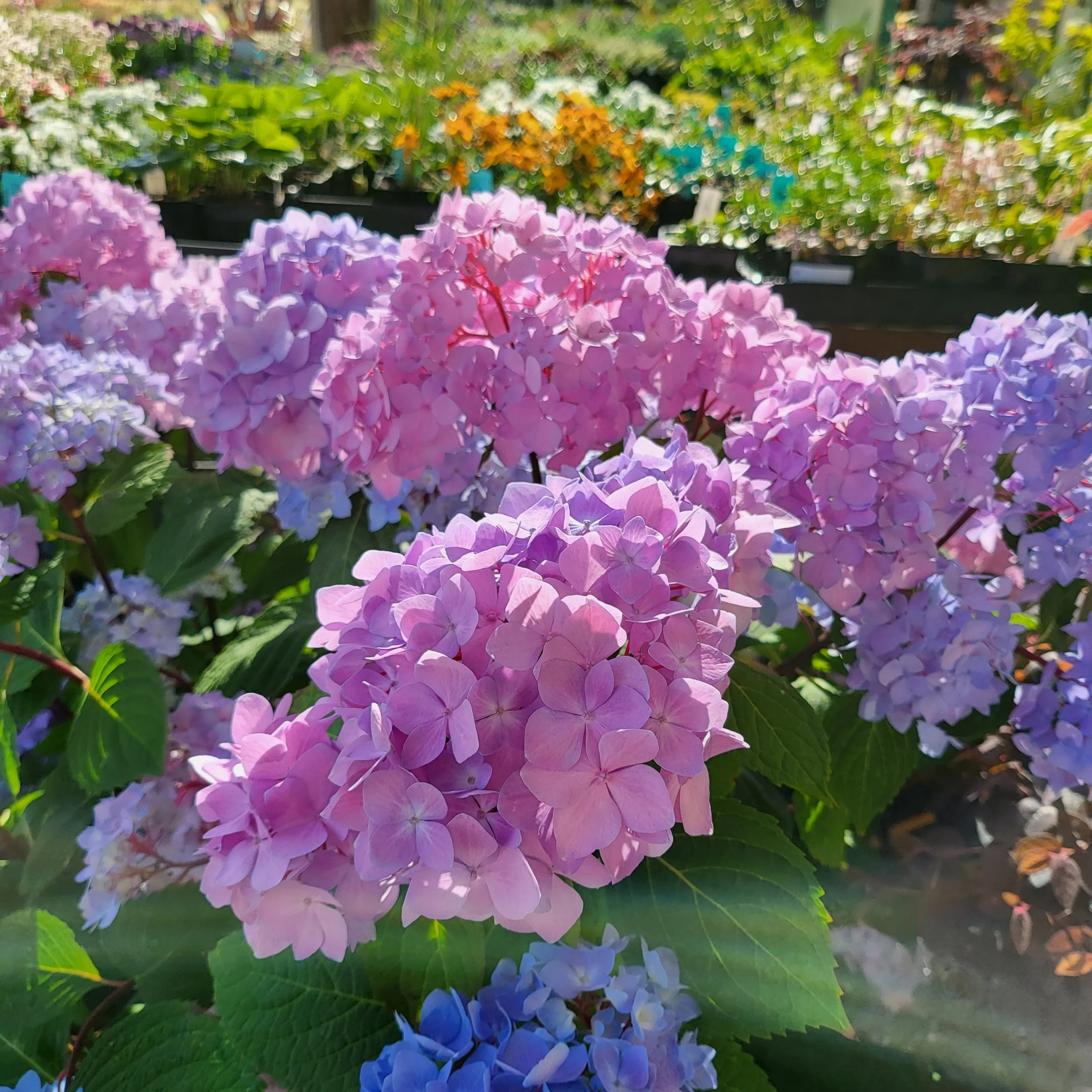
One of the most fascinating things about mophead hydrangeas (Hydrangea macrophylla) is that bloom color can shift depending on soil pH.
Acidic soils tend to produce blue flowers.
Alkaline soils produce pink blooms.
Neutral soils may create purple tones.
Many California soils lean alkaline, especially inland, so gardeners hoping for deep blue blooms often amend soil with sulfur or aluminum sulphate (aka true blue).
White hydrangea varieties generally stay white regardless of soil chemistry.
Pruning Tips
Hydrangea pruning depends on the type you grow. Many traditional mophead and lacecap hydrangeas bloom on “old wood,” meaning next year’s flower buds form shortly after blooming.
For these varieties:
Prune lightly after flowering.
Remove dead stems and spent blooms.
Avoid heavy winter pruning, which can remove future flowers.
Newer reblooming varieties, such as Endless Summer types, are more forgiving and bloom on both old and new wood.
Common California Challenges
Sunburn
Brown leaf edges and faded flowers often indicate too much direct sun or heat exposure.
Hard Water
California’s mineral-heavy water can sometimes contribute to leaf discoloration over time. Occasional deep watering and compost amendments can help improve soil balance.
Heat Waves
During extreme heat, hydrangeas may need temporary shade cloth or additional watering support, especially in containers.
Best Hydrangeas for California Gardens
Several varieties perform especially well in California:
Hydrangea macrophylla (mophead and lacecap)
Oakleaf hydrangea
Panicle hydrangea
Endless Summer series
Limelight hydrangea
Coastal gardeners often have the widest range of options thanks to milder temperatures and marine influence.
Final Thoughts
Hydrangeas reward attentive care with dramatic blooms, lush foliage and a classic garden feel that works beautifully in both cottage-style and contemporary landscapes. With proper watering, thoughtful placement and seasonal maintenance, they can become long-lived focal points in California gardens for years to come.